
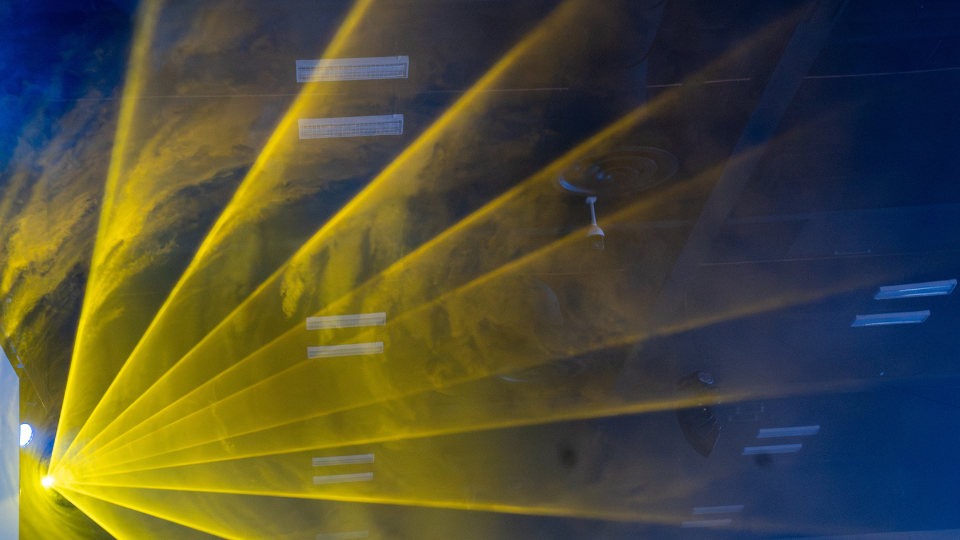
Lighting...
Let’s talk about lighting. Not the boring kind or the “flip a switch and hope for the best” kind. We’re talking real lighting, the kind that can make or break a show.
If you’re in event production, you already know. AV and lighting is absolutely crucial and when there’s bad lighting, everything feels off. Good lighting? Well, let’s talk about the good stuff.
Why Lighting Fixture Types Matter in Event Production
There are thousands of different lighting fixtures out in the market in today’s world, and every lighting fixture has a unique use case. But let’s be honest, only a few lighting fixtures truly stand out, and they’ve proven time and again that they’re the go-to choices for our industry.
But not all lighting fixture types are built the same. Each one has a job. Some are for beams. Some are for wash. Some are just there to look cool and flex a little. In live event production, choosing the right lighting setup:
-
Sets the mood
-
Directs attention
-
Makes speakers look good
-
Makes your brand pop
And honestly…without lighting, you’ll never be able to accomplish your brand goals at events.
Some Quick Definitions Before We Dive In
There’s a few words that get thrown around when talking about lighting, so before we jump into the specific lighting fixtures, let’s discuss a couple terms.
-
Spot: Projects hard-edged beams, gobos, and sharp shapes.
-
Wash: The opposite of a spot. A wash fixture creates a broad, soft-edged, even field of light used to cover large areas (e.g., a stage floor, a cyc wall, or an entire dance floor). Ideal for ambient lighting
-
Beam: A specialized, high-intensity narrow light that resembles a laser beam.
-
Lekos (also known as ellipsoidal reflector spotlights or ERS): A type of profile spotlight known for its sharp, controllable edges and ability to project steel or glass gobos with high definition.
-
Hotspots: An unintended bright center within a light beam where the intensity is significantly higher than the edges. Hotspots are usually a flaw in the fixture’s lens or reflector design. For example, a poorly focused PAR can or some low‑quality LED washes may show a visible “donut” or bright core, which can be distracting on a flat surface like a backdrop or a presenter’s face.
-
Gobos (from “Go Between Optics”): Stencils made of metal, glass, or even plastic that are placed in the path of a light to project a pattern, shape, or logo.
-
Throw Distance: The physical distance from the lighting fixture to the surface or subject being lit. Throw distance directly affects intensity (inverse square law), beam diameter, and sharpness. A long throw requires a narrow, intense fixture (like a beam or leko with a tight lens), while a short throw can use a wide wash. Knowing throw distance is crucial to avoid dim, oversized patches or painfully bright hotspots.
Now that we've got some terms out of the way, here are the three lighting fixtures that stand out in the industry the most and are commonly used in live event production.
1. Robe Lighting MegaPointe
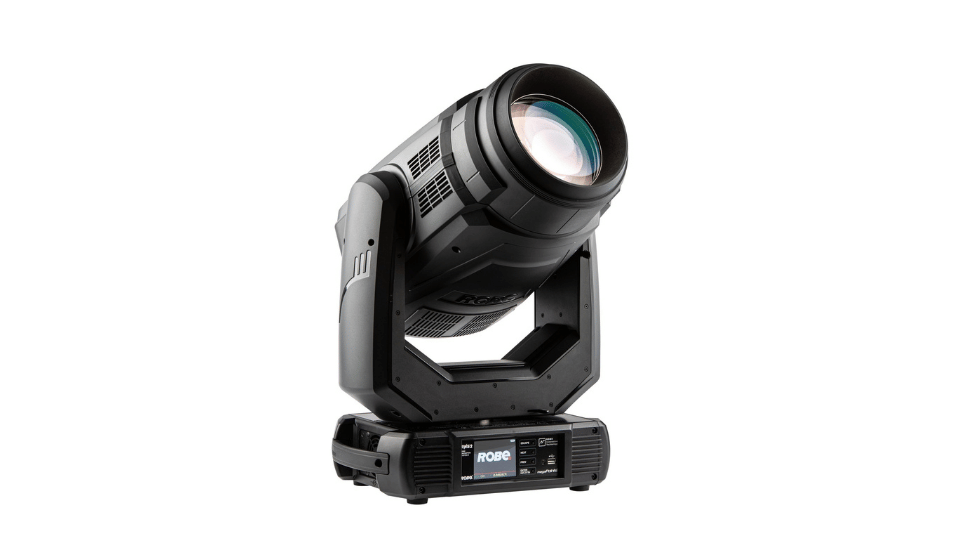 The MegaPointe from the brand Robe has time and time proven itself to be a strong, capable lighting fixture. First off, it’s not crazy heavy, sitting around 50 lbs which is relatively light compared to other lighting fixtures that have similar features. If you’ve ever had to haul around lighting all day, you know that the weight makes a difference over time.
This lighting fixture is robust, bright, and has a large zoom range which is desirable for shows since you can get amazing gobos and beams out of this one fixture. So, if you’re building a rig and need something that can wear multiple hats, this one earns its spot fast.
2. GLP Impression X5
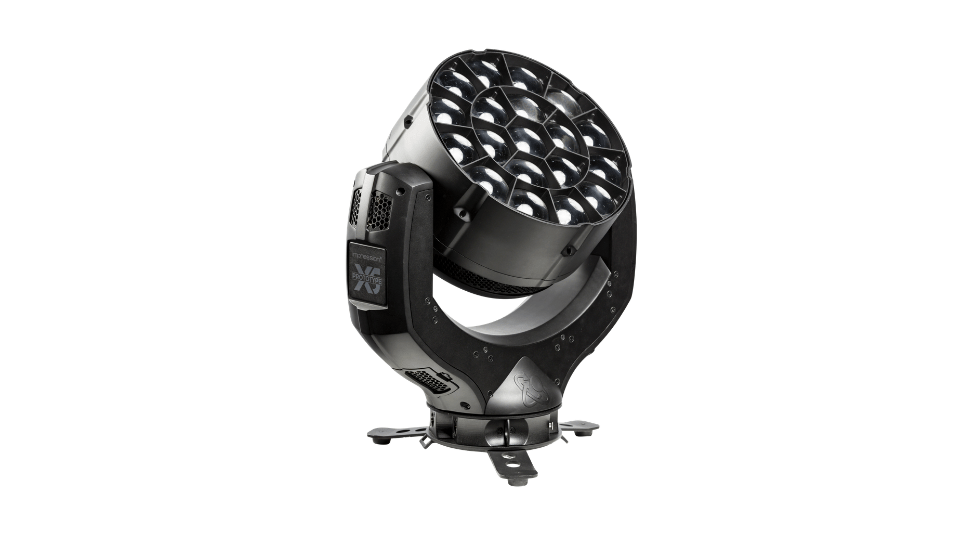 The Impression X5 is a great wash fixture which is best used for lighting people on stage. It is especially great because it can replace lekos and give flexibility to change your stage wash focus on the fly without needing to send someone up to move the light.
The Impression X5 is exceptionally great for getting the right lighting on a speaker. It gives you clean coverage and color without any weird hotspots.
It’s also a great fixture for making eye candy because it has an array of leds on the front of the light that can be individually controlled. Great for your sparkle effects!
3. Robe Lighting BMFL Blade
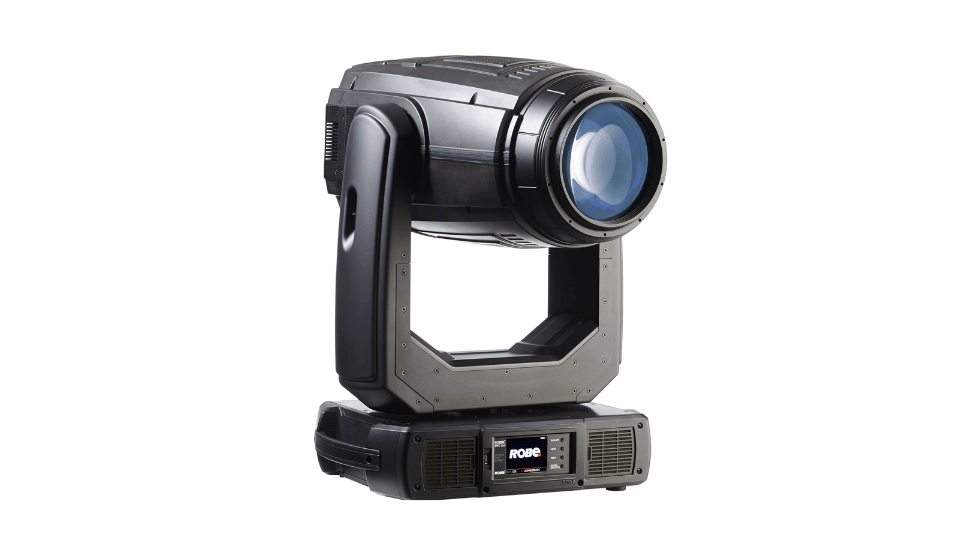 The BMFL Blade is a fixture that we use in almost every production.
It has proven time and time again that it’s a reliable lighting fixture. Our most used feature of this fixture is its gobos and frames that allow us to crop the way the light comes out of the fixture. This is great for getting those sharp focuses that we desire to get light just where we need it.
If you’ve ever tried to light a stage with screens, presenters, or tight scenic elements, you know how important that is. Nobody wants light washing out a video wall or blinding a keynote speaker. It’s also just a solid, reliable fixture that you don’t have to babysit. It does its job and keeps going.
Putting It All Together
Here’s the best part about these lighting fixtures. They’re often used together and actually complement each other really well.
-
MegaPointe brings energy and versatility.
-
Impression X5 handles clean coverage and effects.
-
BMFL Blade locks in precision and control.
You’re covering movement, wash, and shaping without overcomplicating your rig. And honestly, that’s the goal. No one wants to manage a hundred different fixture types just to get a good show.
Work With Clarity and Let Us Handle Your Lighting
At the end of the day, you don’t need every lighting fixture on the market to pull off a great show. You just need the right ones and a team that knows how to use them.
The MegaPointe, Impression X5, and BMFL Blade have all proven themselves on real productions. They’re reliable, flexible, and honestly just make life easier when things get busy. You’re covering movement, wash, and precision without overcomplicating your rig. But, having an incredible array of lighting fixtures isn’t enough, you need to have a team that knows how to set it up and use it.
Clarity Experiences has a team of experts to deal with the tech so you can focus on the event. Interest? Give us a call!