Video Walls for Live Events: What Planners Need to Know
Big visuals are easy to love. The planning behind them deserves a little attention too.
The room goes dark, the music comes up, and a giant screen fills the stage. Suddenly everyone’s attention is on the screen.
That’s the pull of a good LED video wall, it’s impossible to ignore.
Video walls can transform a blank ballroom, help the last row see, or stop traffic at a trade show booth. They can also become one very expensive rectangle if the plan is off. Here is what actually matters.
What Is a Video Wall?
A video wall is a group of display panels that work together as one large screen. At live events, that usually means modular LED panels, although some indoor setups use tiled LCD screens.
A processor maps the content across the display. The audience sees one big image. The production team sees panels, power, signal, rigging, and cabling.
When event teams say video wall, they usually mean an LED wall. LED panels create a continuous canvas in many sizes and shapes, making them a natural fit for stages, exhibits, and brand activations.
Why Video Walls Work at Live Events
- They help the whole room see. Slides and live camera feeds can reach people well beyond the first few rows.
- They change with the show. One wall can handle walk-in graphics, presentations, sponsor content, and video playback.
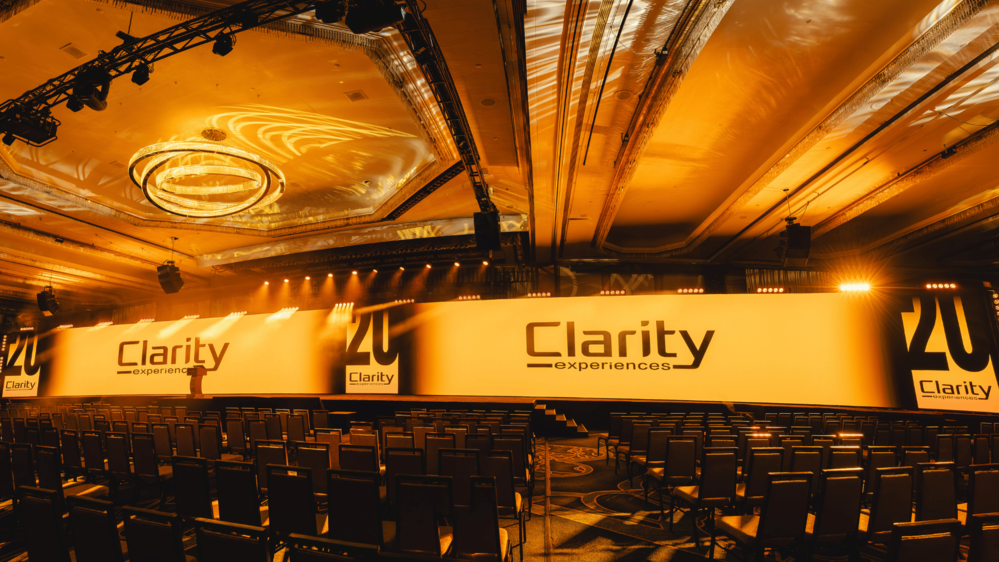
- They become part of the set. A wide LED backdrop can make a plain room feel designed without packing the stage with scenery.
- They get attention. On a busy show floor, a strong moving visual helps attendees find your booth before they read the sign.
The catch? A huge screen cannot rescue tiny text, blurry graphics, or content built for the wrong shape.
At a trade show, the idea is basically the same, except your freight is headed to a booth instead of a warehouse. You will also hear drayage called material handling. On the show floor, those terms usually mean the same thing.
What to Plan Before Setup
- Start with sightlines.
The wall needs to work for the last row, not only the people directly in front of it.
- Choose the right pixel pitch.
A tighter pitch looks smoother up close, but the right choice depends on the room, cameras, content, and budget.
- Build content for the real canvas.
A standard presentation may not fit an extra-wide wall. Get the final pixel dimensions early.
- Plan the full system.
Rigging or ground support, power, processing, cabling, labor, and venue rules all affect the setup.
- Test and rehearse.
The best time to find the wrong sponsor logo is not while the sponsor is sitting in the front row.
LED Wall or Projection
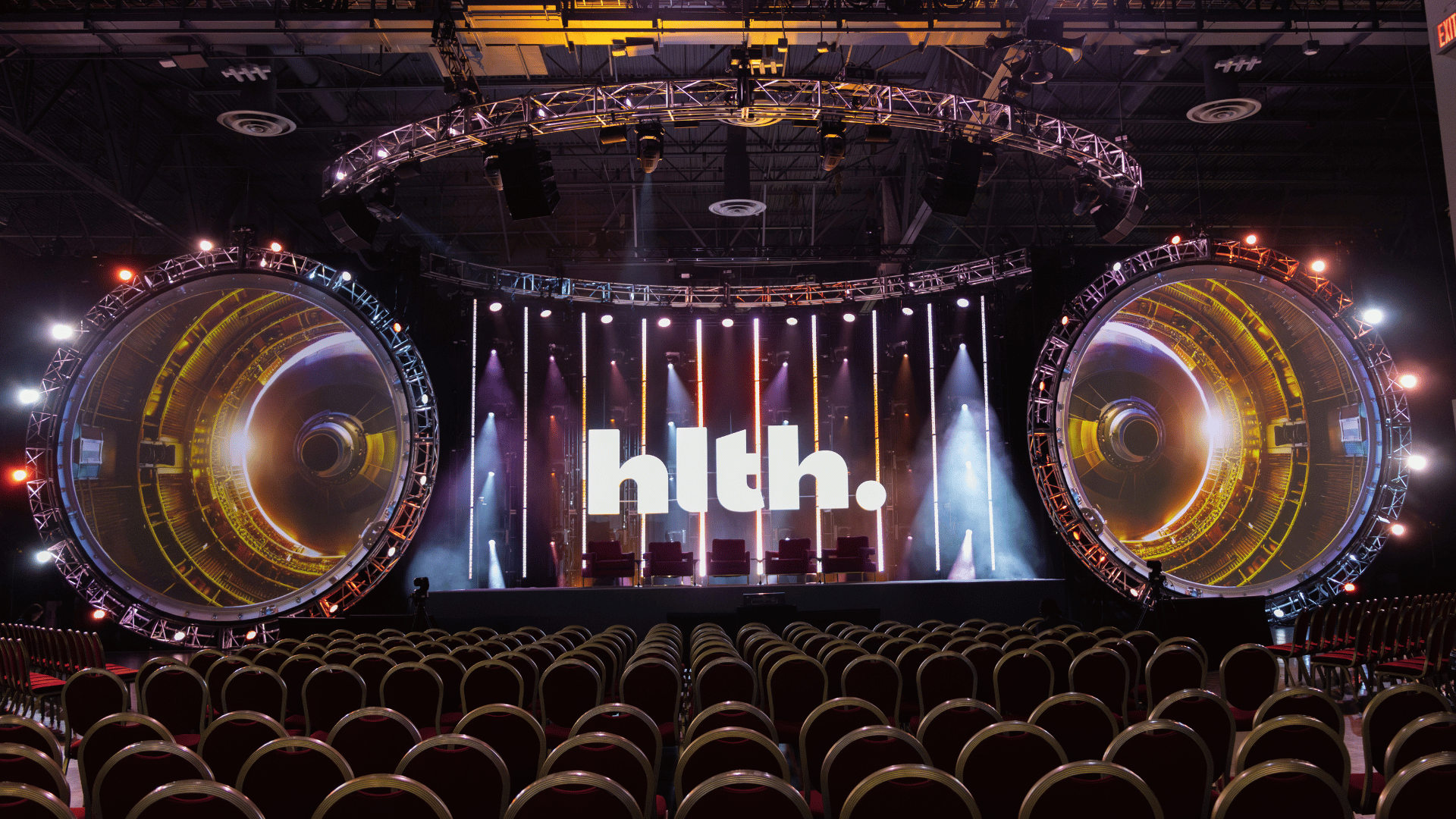 Not every event needs LED. Projection can work well for a large flat image in a controlled room. LED is often the better fit when brightness, flexible sizing, or scenic integration matters. We break down the decision in our blog LED versus projection.
How Much Does a Video Wall Cost
There is no useful one-price answer. Cost changes with wall size, pixel pitch, panel type, processing, rigging, labor, power, venue rules, and backups. A booth wall and a wide main-stage canvas are completely different projects.
For a real estimate, share the venue, room drawings, audience size, schedule, and desired look. That gives the production team enough information to recommend the right wall instead of pricing a vaguely impressive rectangle.
How Clarity Experiences Handles LED Video Walls
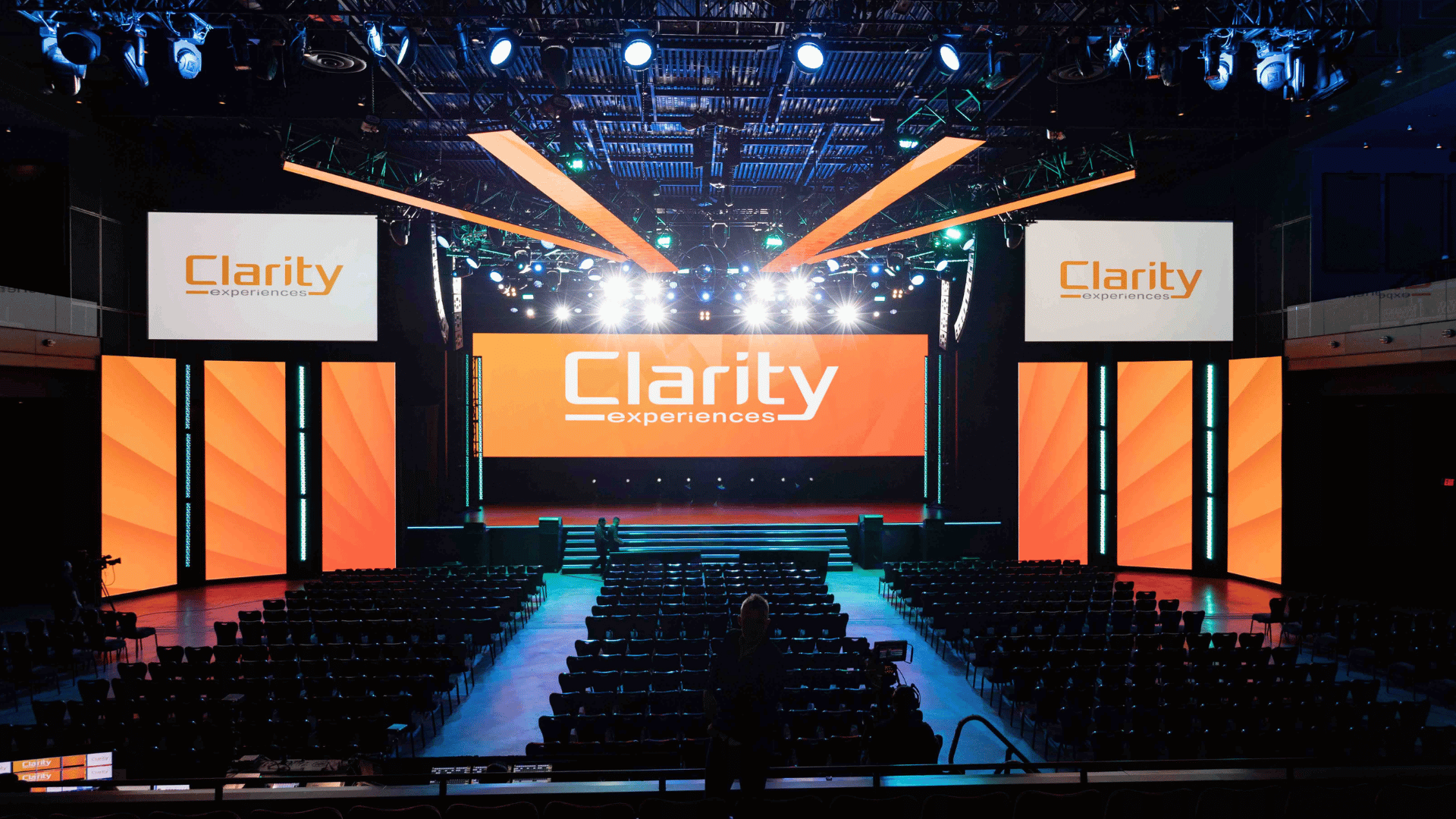 Clarity Experiences can take an LED wall from “we want something big back there” to a screen system that actually fits the event.
We start with the room, the audience, and the job the wall needs to do. Then our team can help choose the size and pixel pitch, plan the layout, coordinate ground support or venue rigging, map the content canvas, and build the processing and signal plan.
The setup can be a main-stage backdrop, presentation screen, sponsor wall, trade show feature, or a custom LED shape built into the scenery. As part of the full AV production plan, we can also coordinate the content, cameras, lighting, and other systems around it.
Clarity handles installation, panel alignment, power and source checks, camera testing, rehearsal, show-day operation, onsite support, and strike. In other words, the unglamorous work that makes the giant screen look easy.
Planning an event with a blank stage and a very big idea? Talk to Clarity Experiences. We will help you build an LED video wall that fits the room, supports the content, and gives people a reason to look up.