The traditional RFP process can get messy fast.
You send a giant request to five or ten AV companies. Every company spends hours building a proposal. Your internal team spends even more time reviewing all of them. Then you end up comparing different pricing formats, different assumptions, different scopes, and a lot of very similar presentations.
Fun? Not really. There is a smarter way to do it.
What Is an RFP?
 An RFP, or request for proposal, is a document companies send to potential vendors when they need pricing, ideas, and a plan for a project.
For live events, that might mean asking AV production companies to price out equipment, labor, staging, lighting, audio, video, creative support, onsite staffing, and everything else needed to make the event happen.
A Better Way to Find the Right AV Production Partner
Instead of starting with a big RFP, start with conversations. Interview a smaller group first. Get to know how they think, how they communicate, and how they would actually work with your team.
Then choose the two strongest fits and invite only those companies into the formal RFP process. Less wasted time with better conversations and results.
Step 1: Build Your Shortlist
Start by identifying up to five AV production partners that could be a good fit.
Use industry referrals, trusted recommendations, past experience, online research, and people who have actually worked with these teams before.
At this point, you are not asking for a full proposal.
You are just trying to figure out who is worth a deeper look.
-
Do they understand live events?
-
Do they have the right experience?
-
Do they seem like people you would trust when something changes onsite?
-
Do they ask good questions?
Because anyone can say they do AV production.
The real question is whether they can be the right partner when the room is full, the show is live, and someone just asked for “one small change” that is absolutely not small.
Step 2: Interview Like You Are Hiring a Key Team Member
Choosing an AV production partner should feel more like hiring an important role on your team. Because in a lot of ways, that is exactly what you’re doing.
The company will touch your budget, your attendees, your speakers, your executives, your sponsors, your venues, and the overall event experience. That’s a big deal. So bring the right people into the interview process. Not just leadership and procurement, but include the team members who'll actually work with the AV partner day to day.
Step 3: Invite Two Finalists to the RFP
After the interviews, narrow the list down to two strong finalists.
Now the formal RFP becomes much more useful. Instead of asking a big group to guess their way through a massive proposal, you are asking two aligned companies to show how they would support your events.
At this stage, the RFP should focus on the details that actually help you make a decision:
-
Your event portfolio and production needs
-
Proposed team structure and key people
-
Creative and technical approach
-
Transition and onboarding plan
-
Production timeline and major milestones
-
Communication, reporting, and escalation process
-
Ideas for efficiencies and long-term value
And when possible, go beyond the proposal. Visit one of their events, invite them to observe one of yours, and get your teams in the same room. Watching the team work shows you how they actually deliver.
Create a Real Apples-to-Apples Cost Comparison
AV proposals are pretty tough to compare sometimes. One company may include something another company leaves out. To get a cleaner comparison, give your two finalists the same sample event and ask them to price the exact same scope. Your sample should include:
-
A specific equipment list with a rendering
-
Show dates and run of show
-
Operator positions and labor hours
-
Room access, install timing, and rehearsal schedule
-
Delivery, transportation, freight, and shipping needs
-
Pre-production expectations
-
Design and rendering needs
-
Taxes and service charges
-
Any other costs you want explained clearly
This gives you a better baseline. Once that baseline is clear, the bigger decision becomes easier.
Because the cheapest number on a spreadsheet is not always the best value. The right AV partner should help you spend smarter, protect the attendee experience, avoid surprise costs, and make the whole process feel more manageable.
The Outcome: Better Fit, Less Wasted Effort
A better RFP process helps everyone. Your team spends less time reviewing proposals from companies that were never the right fit. Suppliers spend less time building huge responses with a low chance of success. And the final decision becomes more focused on partnership, strategy, execution, and trust.
Choose an AV Partner Who Feels Like Part of Your Team
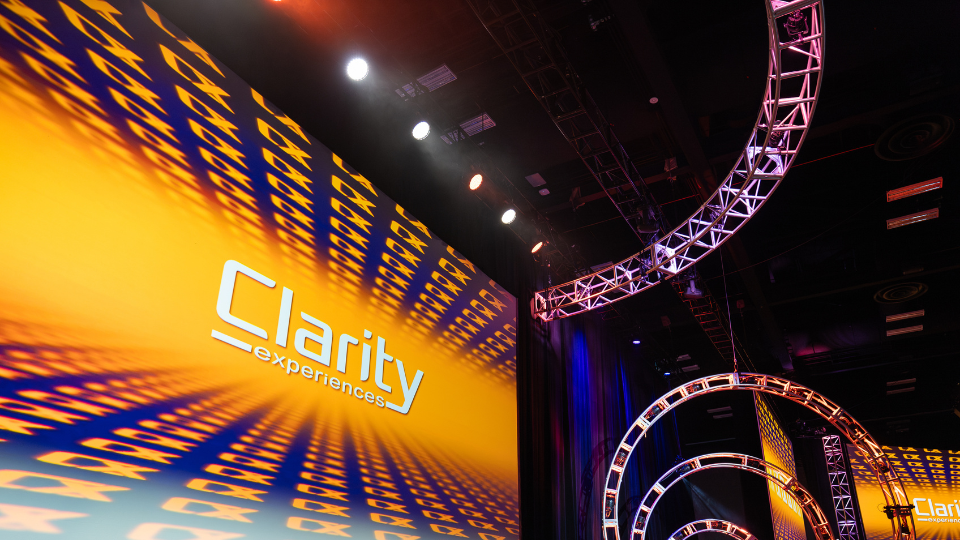 The right AV partner should make the RFP process easier, not more complicated. Clarity Experiences helps you think through the entire picture: your goals, budget, venue, audience, creative needs, and the actual production.
If you’re rethinking your RFP process, look for a partner who asks better questions and brings the whole event together.