
Let's set the scene
You’re planning an important event in 2026. It has high visibility, real budget implications, and expectations attached to it. Somewhere in the planning process, the question comes up:
“Should this be a hybrid event?”
The term sounds familiar. But definitions vary wildly, and that’s where problems begin.
So let’s clarify what hybrid events actually are, how they work, and why getting the approach right matters more than ever.
What Are Hybrid Events?
Hybrid events are events that happen in person and online at the same time, with intentional experiences for both audiences. This distinction is important. A hybrid event is not:
-
A live event with a single camera capturing the room
-
A virtual audience watching passively with limited interaction
-
A last-minute livestream added for convenience
A true hybrid event is intentionally planned so that both audiences are engaged, supported, and included even though they are experiencing the event in different ways. While audiences are the main focus, it’s often common for the speakers of these events to also be presenting virtually. For example, speaker 1 is in person, speaker 2 is at the Scranton branch, and speaker 3 is at the Utica branch, and all of them will be speaking for the same event.
How Event Technology Can Help Planners
Hybrid events didn’t show up just to make event planners’ lives harder (even if it sometimes feels that way). They exist because the way people attend events has permanently changed. Travel budgets are tighter, schedules are packed, and audiences are more global than ever. At the same time, flexibility has become an expectation, not a bonus.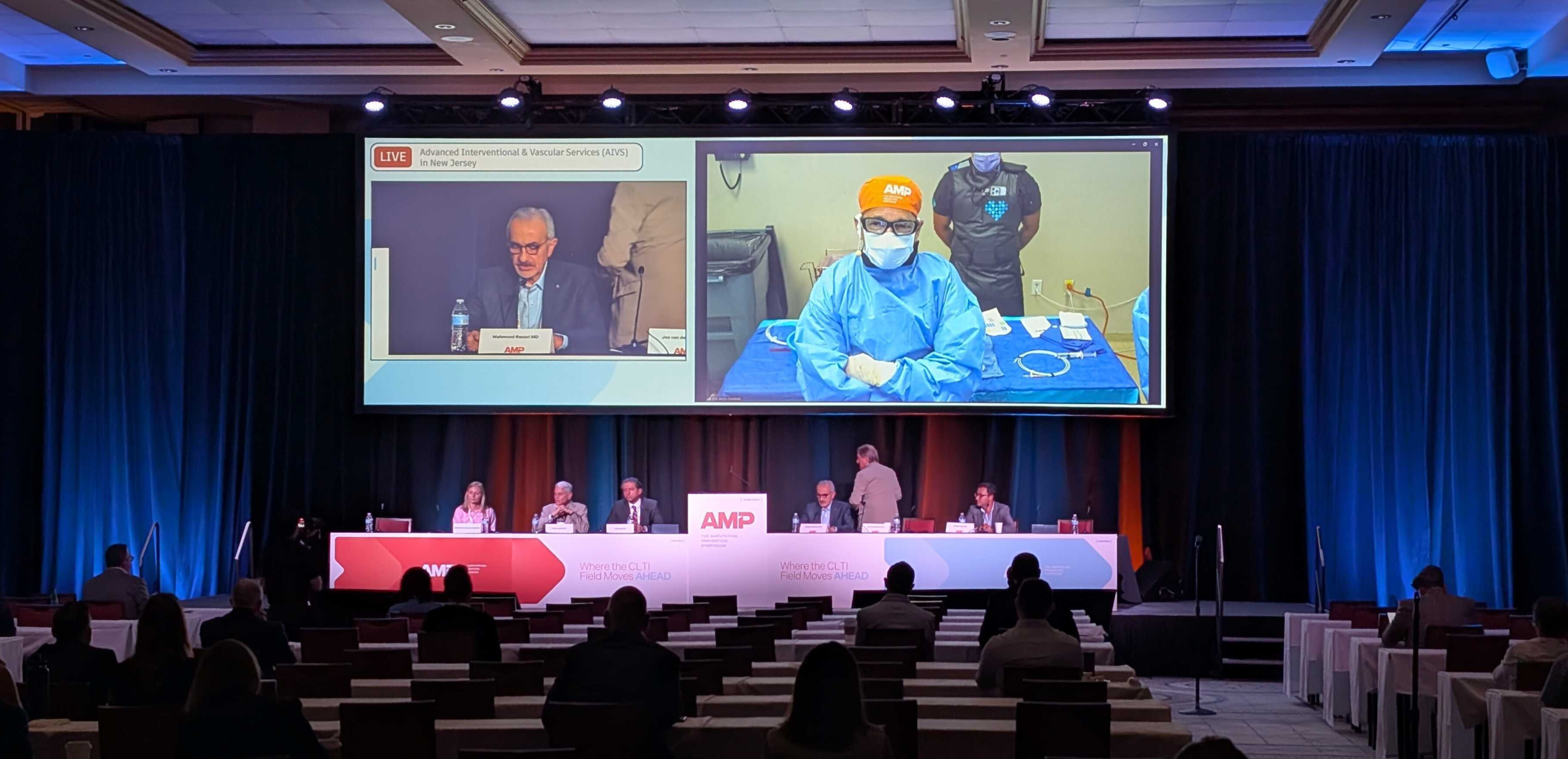
Hybrid events allow organizations to meet people where they are without losing the energy and impact of a live event. They also extend the life of event content, giving sessions value well beyond the day they’re presented.
So, What Do Hybrid Events Really Look Like in Practice?
When hybrid events are executed well, everything feels seamless. In-person attendees stay engaged, virtual participants feel included, and speakers are confident in how they address both audiences. The format fades into the background, allowing the message and experience to take center stage. That’s the goal.
One helpful thing to keep in mind when planning a hybrid event is that you don’t have to figure everything out on your own. Bringing your AV provider into the process early can help you better understand what a hybrid setup actually requires, from cameras and audio paths to LED screens, projectors, and virtual platforms. A strong AV partner like Clarity Experiences can walk you through the necessary steps, explain what’s essential versus optional, and help make sure the in-room and virtual experiences work together smoothly, often saving time, stress, and last-minute surprises later on.
Here's an example of opening video Clarity produced for a hybrid event and how the content looked for the live audience while also making it usable for virtual audiences.
How Technology Looks in Event Production
You can tell from the video above that technology is a critical part of hybrid events, but it’s rarely the reason things fall apart. When issues come up, they’re usually tied to planning, communication, or lack of preparation, not the gear itself. Strong hybrid events use technology intentionally, choosing the right tools to support the experience rather than distract from it.
That often means LED screens or high-resolution projectors that ensure in-room content is clear and engaging, while also translating well on camera for virtual viewers. It means strategic camera placement so remote attendees feel connected to the action, along with clean, dedicated audio paths that serve both the room and the livestream. Add in a virtual platform that supports real interaction, like live Q&A, polls, and chat, and the technology starts working quietly in the background.
Are Hybrid Events for You?
Hybrid events aren’t automatically the right choice for every situation, but they are worth considering if you’re trying to reach a broader audience without losing the impact of an in-person experience. If your attendees are spread across regions, travel budgets are limited, or you want your content to live beyond the event day, a hybrid format can make a lot of sense.
Work with Hybrid Events Pros Like Clarity Experiences
Hybrid events require more than just good equipment. They require experience, planning, and a clear understanding of how live and virtual elements work together. That’s where Clarity Experiences comes in.
We’ve got 20 years of experience transforming our clients’ dreams into something absolutely epic. If you want the same, we’re here for ya!